Apr 22, 2026
New Coke: The Annual Reminder of Brand Equity’s Enduring Power
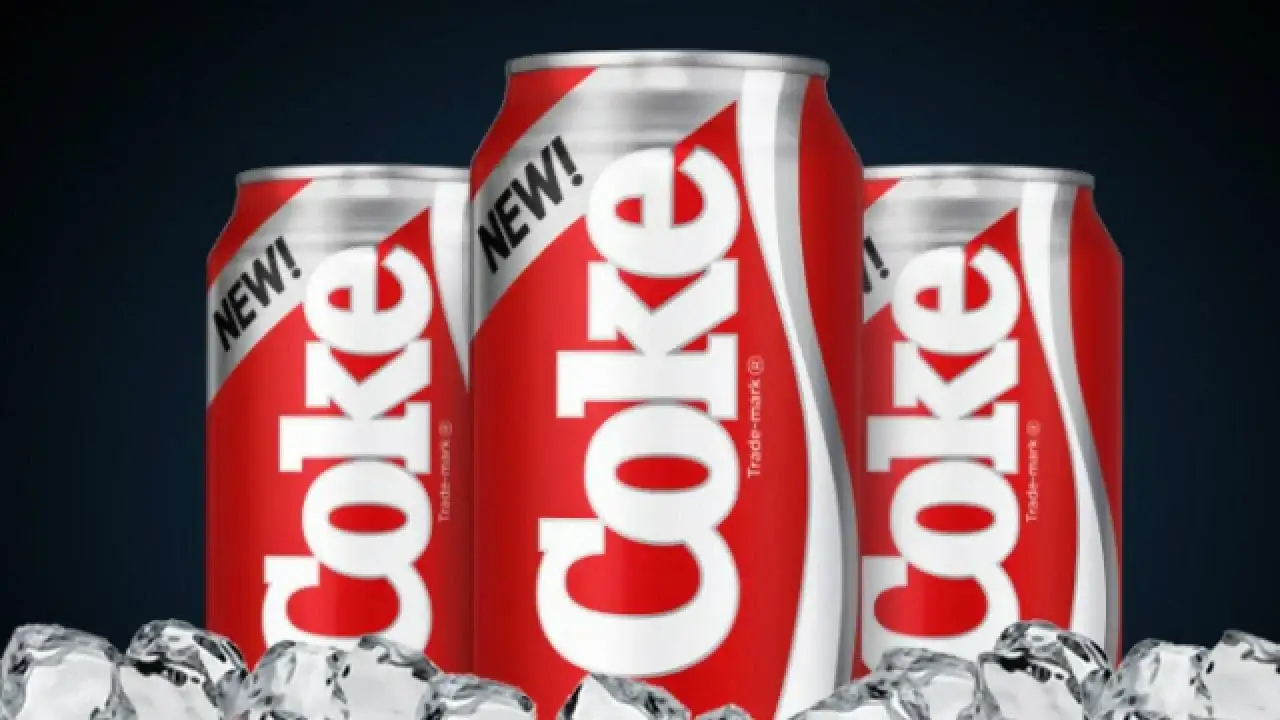
Reflections on the eve of the 41st anniversary of the biggest “marketing failure” in history
For 41 years, the New Coke story has been studied as a marketing failure. It was not. A deeper look reveals a more complex and longer story, making it a masterclass on the power of brand equity that I revisit annually.
Exactly 41 years ago tomorrow, on April 23, 1985, the world’s most recognized brand nearly committed market suicide because it did not understand its own meaning. Despite being America’s #1 soda since 1896, Coca-Cola executives felt increasing pressure to innovate during the “Cola Wars” of the 1980s.
In Q4 1984, Pepsi beat Coca-Cola for the first time in recorded grocery sales history. Pepsi had an unprecedented tactical advantage that led to this: Michael Jackson. In 1983, they signed him to a $5 million endorsement deal ($16.4 million in 2026) and hitched their #2 wagon to his monocultural superstar status following the unprecedented success of his “Thriller” album.
In response to the grocery sales defeat, Coke’s management launched “Project Kansas,” a top-secret taste test for 190,000 consumers, who confirmed they preferred the new Coke formula over both the original (55% to 45%) and Pepsi (52% to 48%). What Project Kansas did not test, however, was the power of the Coca-Cola brand itself or the decision to replace the original, far beyond taste preferences.
Recognition & Reach, Compounded Over 9 Decades
By the 1980s, Coca-Cola's brand recognition was nearly universal. Approximately 90% of American consumers knew it by bottle shape alone. That equity was built over nearly 90 years of market dominance, then exponentially amplified by an extraordinary WWII-era partnership with the U.S. government and marketing blitz.
After Pearl Harbor, Coca-Cola President Robert Woodruff issued a mandate: "To see every man in uniform gets a bottle of Coca-Cola for five cents, wherever he is and whatever it costs the company." He deployed 248 employees who established 64 overseas bottling plants, producing 5 billion bottles for troops. By 1946, Coke had transformed from America's #1 soda into the world's #1 soda.
The 90-year legacy, compounded over time and expanded by the successful wartime expansion strategy, was the invisible variable Project Kansas could not measure. It was the intangible value that Goizueta and Keough were about to fatally underestimate.
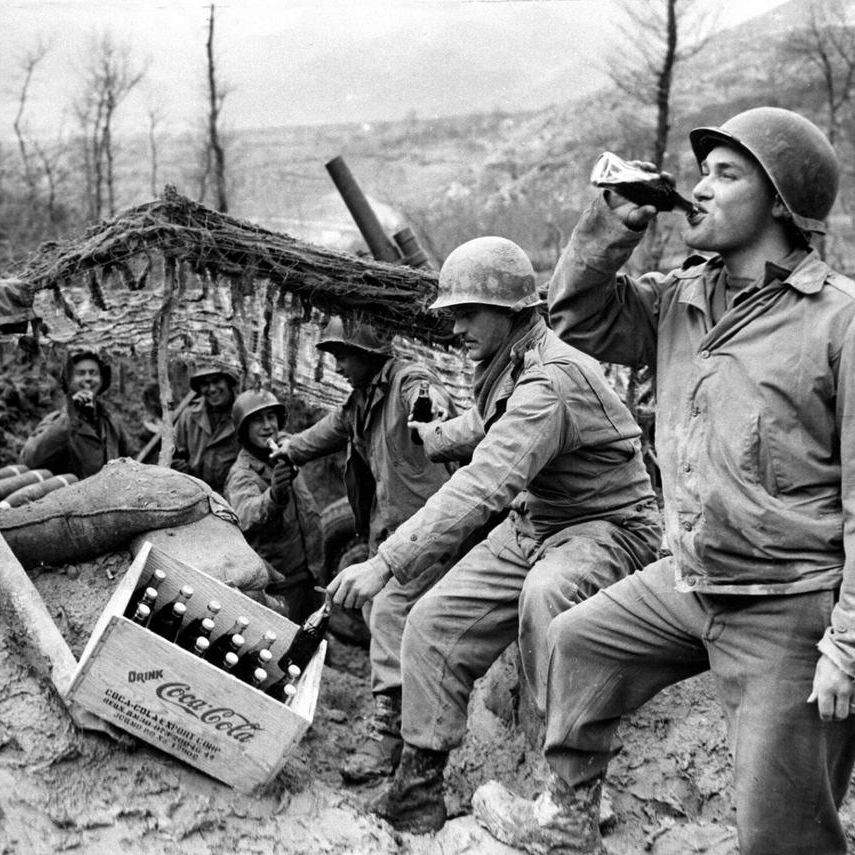
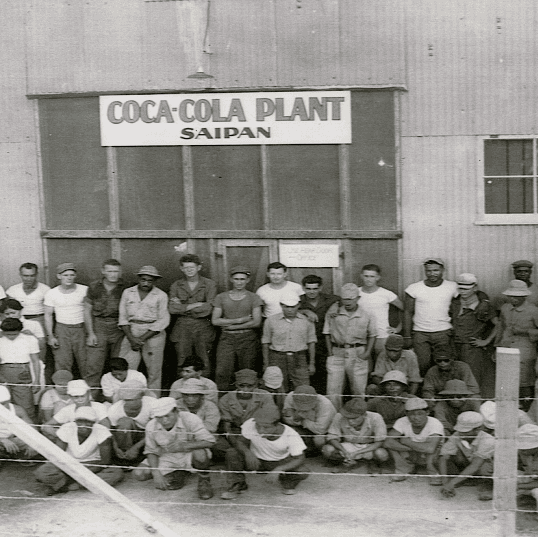
American GIs enjoy Coke in an Italian combat zone (left), and Coca-Cola's WWII-era bottling plant in Saipan (right), National World War II Museum.
New Coke Was Not It
Despite Coca-Cola's longstanding market position and 9-decade heritage, CEO Roberto Goizueta and President Donald Keough were feeling the pressure of Pepsi's success at the end of 1984. Pepsi's "The Choice of a New Generation" campaign with Michael Jackson landed Pepsi at the top of both the #1 most remembered and #1 most liked brand lists. To retain their leading position, Goizueta and Keough decided to launch a sweeter version of their formula as "New Coke," and to replace the original entirely, instead of adding it as a brand extension. They believed multiple versions of Coke would confuse consumers and weaken the brand, despite having successfully launched Diet Coke in 1982.
The New Coke product launch on April 23, 1985, generated swift and unprecedented backlash. As the product was rolled out over the following weeks, the company began receiving up to 1,500 angry calls a day. The 4x increase in calls prompted Coca-Cola to hire a psychiatrist, who analyzed the outpouring of negative feedback and reported back to executives that callers sounded like they were experiencing grief similar to a loved one's death.
Postal carriers delivered approximately 40,000 incensed letters in Q2 and Q3 1985, illustrating how New Coke had accidentally stabbed many nerves:
"Changing Coke is like God making the grass purple or putting toes on our ears or teeth on our knees."
"I don't think I would be more upset if you were to burn the flag in our front yard."
“Monkeying with the [recipe] is akin to diddling with the U.S. Constitution.… Many of us aren’t interested in caffeine-free, NutraSweet, diet slop, fancy gimmicks, or new formulas.”
Unflattering editorials ran nationwide. Late-night comedians made New Coke a nightly joke for weeks. More than 28,000 people signed petitions to bring back "old Coke," and boycott groups sprang up across the country. One of the largest groups, "Old Cola Drinkers of America," filed a class-action lawsuit to force the Coca-Cola Company to resume sales of the original formula; however, the suit was dropped within a month.
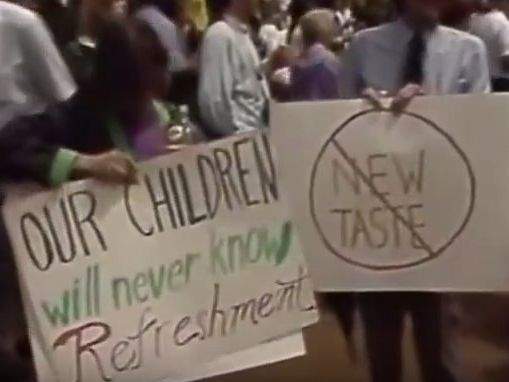
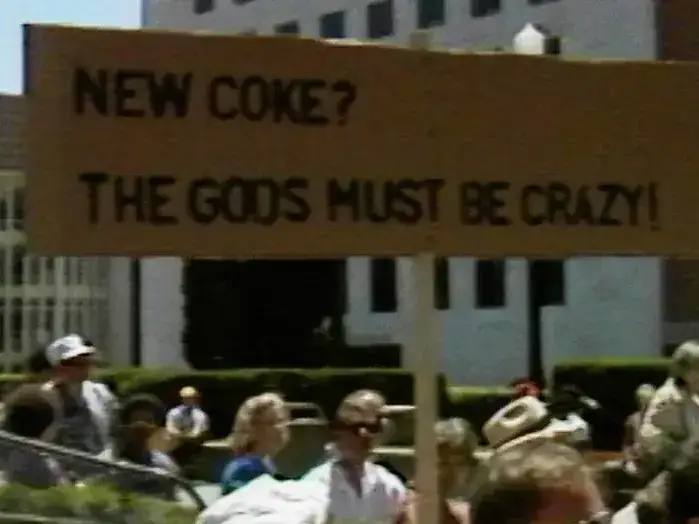
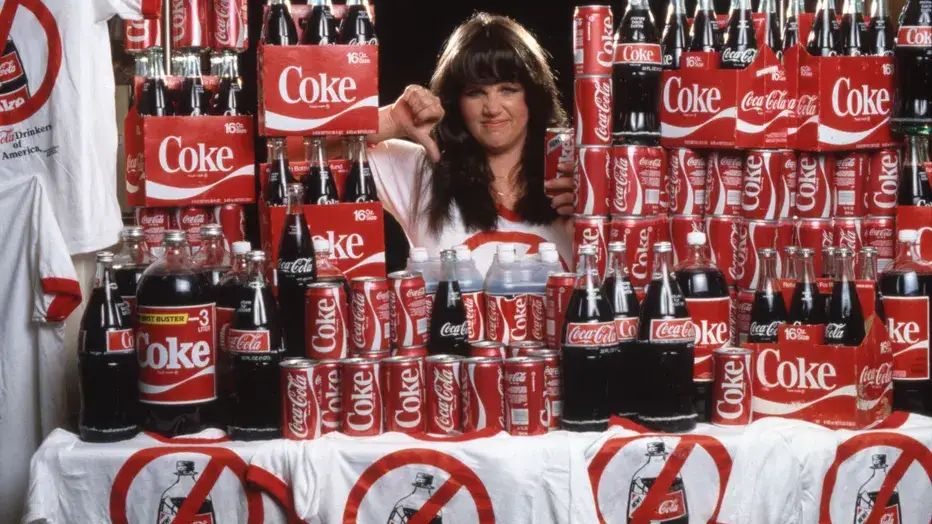
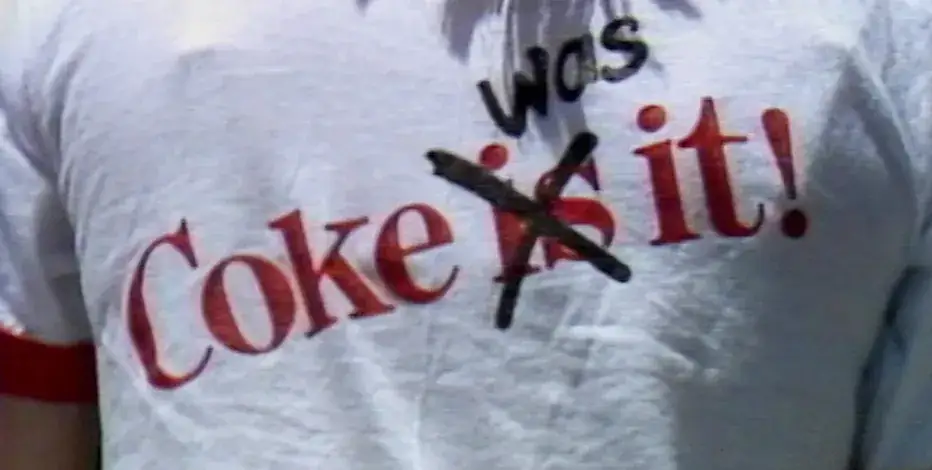
Scenes from the frontlines of the public's war on New Coke, public domain.
Reversal of Formula Misfortune
On July 11, 1985, Coke held a second press conference and announced the return of the original formula as “Coca-Cola Classic” to be sold alongside New Coke, a mere 79 days and $34 million in losses later (approximately $100 million in 2026). A humbler Keough admitted:
"The simple fact is that all the money and all the time and all the research we ever poured into the New Coke could not measure or reveal the deep and emotional ties that so many people have to Coca-Cola. It's a wonderful American mystery, a lovely American enigma, and you cannot measure it any more than you can measure love, pride, or patriotism.
Some critics will say Coca-Cola made a marketing mistake. Some cynics will say that we planned the whole thing. The truth is we are not that dumb, and we are not that smart."
Keough's statements underscore what research could not measure: the deep emotional ties the public held for the brand while shooting down suspicions over whether New Coke was a stunt. They also point out the overlooked truth that Coca-Cola, the brand, had outgrown its boardroom. It belonged to the American people and was beyond the company's control to reclaim or redefine, and the humility to admit this is what saved the brand and its relationship with American consumers.
Coca-Cola President Donald Keough announces "Coca-Cola Classic." July 1985, public domain.
The 79-day backlash was an extraordinary and expensive lesson that makes New Coke a popular marketing failure case study. But viewing Coca-Cola's brand over a longer historical arc reveals the deeper truth: the loyalty and meaning consumers held for the brand was a valuable, intangible asset hidden under the 'Project Kansas' data. Although brand equity was not measured in 1985, we can estimate that Coca-Cola's brand equity was at least $34 million, because it was strong enough to withstand the endeavor's losses.
While New Coke was a 79-day lost battle, Coca-Cola remained the undisputed winner of the Cola Wars despite it. Coke resumed the #1 grocery sales position at the end of 1985 and has been the #1 soda for 133 years (while Pepsi is #3 as of April 2026). Today, Coke's brand equity is valued at approximately $46.3 billion, compared to Pepsi's (soda-only) $20.2 billion.
In the end, New Coke isn't about taste or tactics. It's a cautionary tale about mistaking data for brand truth. Testing can measure preference but not meaning. Project Kansas told Coke's leadership what flavor consumers wanted, but not what the Coca-Cola brand meant to their lives.
Where Goizueta and Keough went wrong was the assumption that the flavor preference data was bigger than Coca-Cola's brand truth, not the ambition of New Coke or the risks taken by launching what they believed to be an innovation. That's why I believe New Coke will always be the most expensive brand equity lesson in history: proof that a century of emotional capital cannot be sacrificed for the sake of data. It's my annual reminder each April 23 of the enduring power of brand equity.